
There is nothing more frustrating than getting ready to head out, turning the key or pressing the start button, and realizing your car refuses to start. It always seems to happen on the days when you are already running late. Understanding the common reasons cars fail to start helps you troubleshoot quickly and avoid unnecessary stress. In fact, AAA reports that battery-related issues are responsible for nearly 50 percent of all roadside assistance calls, which shows how often these problems happen to everyday drivers.
Battery Problems
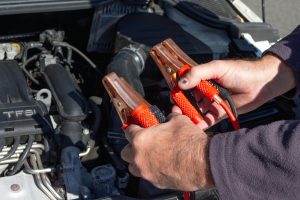
One of the most common reasons cars fail to start is a weak or dead battery. Batteries naturally lose power over time, usually lasting three to five years depending on climate and usage. If your lights dim when you crank the engine or you hear a slow clicking sound, your battery may not have enough charge to start the car. Cold weather can also reduce battery capacity, so drivers in winter climates experience this issue more frequently.
Faulty Starter Motor
The starter motor is responsible for turning your engine over. When it begins to fail, you might hear a single loud click or no sound at all when trying to start the car. A worn-out starter is one of the common reasons cars fail to start because the engine simply cannot begin running without that initial spin. Starters can fail due to age, heat damage, or internal wear.
Bad Alternator
If your car starts once but will not start again shortly after, the alternator might be the problem. The alternator charges your battery while the engine runs. When it fails, the battery drains quickly. Flickering dashboard lights or a burning smell can be early signs. Since the alternator keeps the electrical system alive, it is one of the most overlooked yet common reasons cars fail to start.
Empty or Contaminated Fuel
It might seem obvious, but running out of fuel is still one of the common reasons cars fail to start. Drivers sometimes misjudge fuel levels or rely on a faulty gauge. Contaminated fuel can also cause issues because dirt or water in the fuel tank prevents proper engine combustion. If the engine cranks but does not start, fuel problems may be the cause.
Ignition Switch Issues
If your car stalls suddenly while driving or refuses to start even when the battery is good, the ignition switch may be worn out. Over time, the electrical contacts inside the switch can deteriorate. This disrupts the power supply to the starter motor and fuel system. A failing switch is not always obvious, which is why it is one of the sneaky and common reasons cars fail to start.
Faulty Spark Plugs
Spark plugs ignite the air-fuel mixture inside your engine. When they become dirty or worn, the engine will struggle to start or may misfire. According to CarCare.org, most modern spark plugs last between 80,000 and 100,000 miles, but older vehicles may require replacements sooner. If your engine cranks but sounds uneven, spark plugs could be the problem.
Fuel Pump Failure
When the fuel pump fails, fuel cannot reach the engine. You might hear a whining noise from the rear of the car or notice weak acceleration before the pump completely dies. This is another one of the common reasons cars fail to start because without proper fuel pressure, ignition cannot occur.
Security System Glitches
Modern cars use security systems that prevent unauthorized starting. Sometimes these systems malfunction and block the engine even when you have the correct key. If your dashboard shows an immobilizer or key symbol, your car’s security system may be the issue. This is becoming one of the more frequent modern common reasons cars fail to start, especially in push-to-start vehicles.
Corroded or Loose Connections
Even if your battery is healthy, loose cables or corrosion can prevent proper electrical flow. Corroded terminals appear white or bluish and can interrupt the power needed to start the car. A quick cleaning or tightening fix often solves this issue.
Conclusion
Understanding the common reasons cars fail to start can save you time, money, and unnecessary panic. Whether it is a weak battery, bad alternator, faulty spark plugs, fuel issues, or wiring problems, recognizing the symptoms gives you a head start in solving the problem. Regular maintenance reduces the chances of getting stranded and helps your car remain reliable every day. When in doubt, always consult a trusted mechanic to diagnose the issue accurately.